
Summary
India’s economy and financial markets continue to evolve. Government incentives and strategic investment are expanding domestic manufacturing, while rising incomes are shifting spending “from essentials to extras” and “from basic to premium”. Meanwhile, easier access for foreign investors and growing domestic participation are supporting the development of India’s financial markets. Building on last year’s paper, India’s great transformation: opportunities for global investors, this updated infographic brings together refreshed data on these trends and their implications for investors.
Make in India : advancing the manufacturing transformation
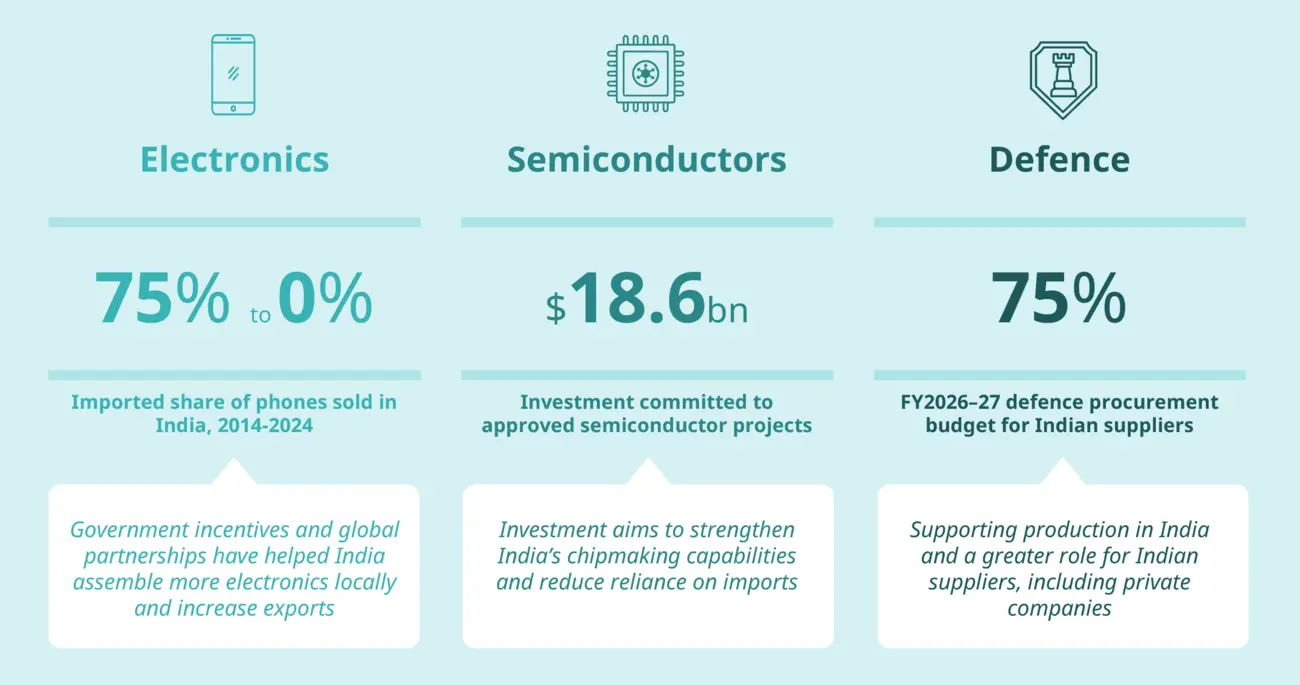
Government incentives and global partnerships are helping India expand local manufacturing and increase exports. Investment in semiconductor projects aims to strengthen chipmaking capabilities and reduce reliance on imports, while defence spending is supporting a greater role for Indian suppliers.
India’s consumers: the spending shift continues
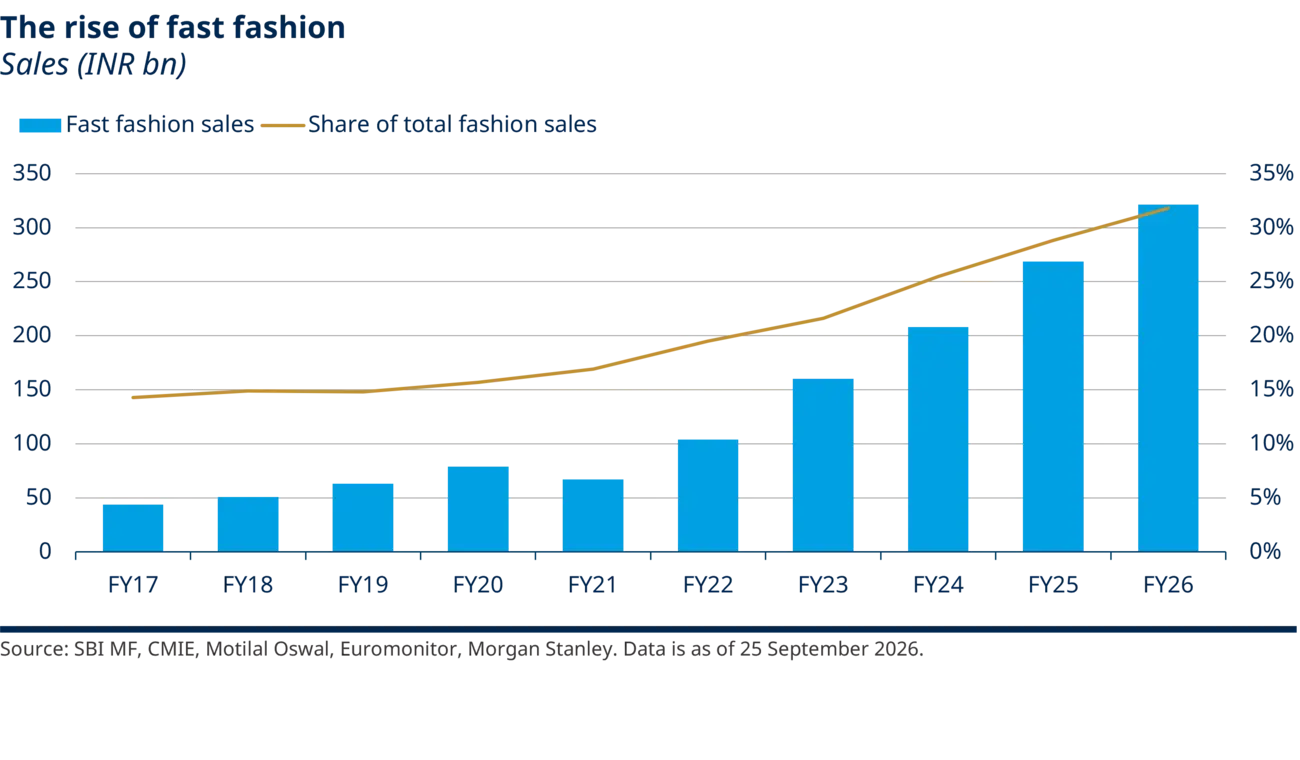
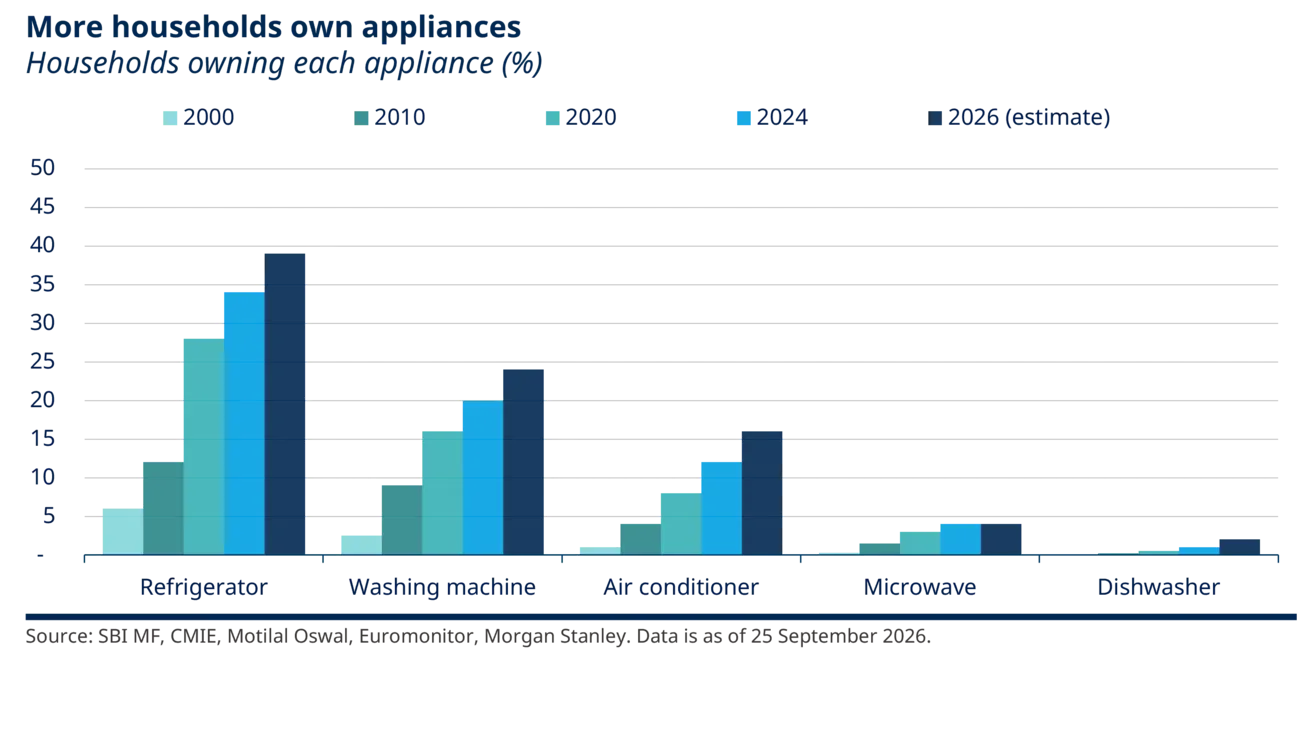
As incomes rise, consumers are spending more on goods and services beyond everyday essentials, while higher-income households are increasingly choosing premium products. Growing fast fashion sales and wider ownership of household appliances illustrate how India’s spending habits are evolving.

Alessia BERARDI
India’s consumption habits continue to evolve in two main ways: consumers are buying more goods and services beyond everyday essentials, while higher-income households are increasingly choosing premium products.
Three reasons India remains in focus for investors

Both Indian equities and bonds display relatively low correlation to traditional building blocks, largely thanks to the diversification benefit of the currency exposure.


| Indian government bonds’ inclusion in the JP Morgan GBI‑EM Index has increased the demand from funds that track the index. |

| Faster registration makes it easier for foreign portfolio investors to access India’s markets. |

| Growing domestic savings and demand from institutional investors are helping deepen markets and improve stability. |

Explore last year's paper on the foundation of India’s Growth Story




Author